
India’s Forgotten Flavors: Look How Traditional Indian Foods at Risk
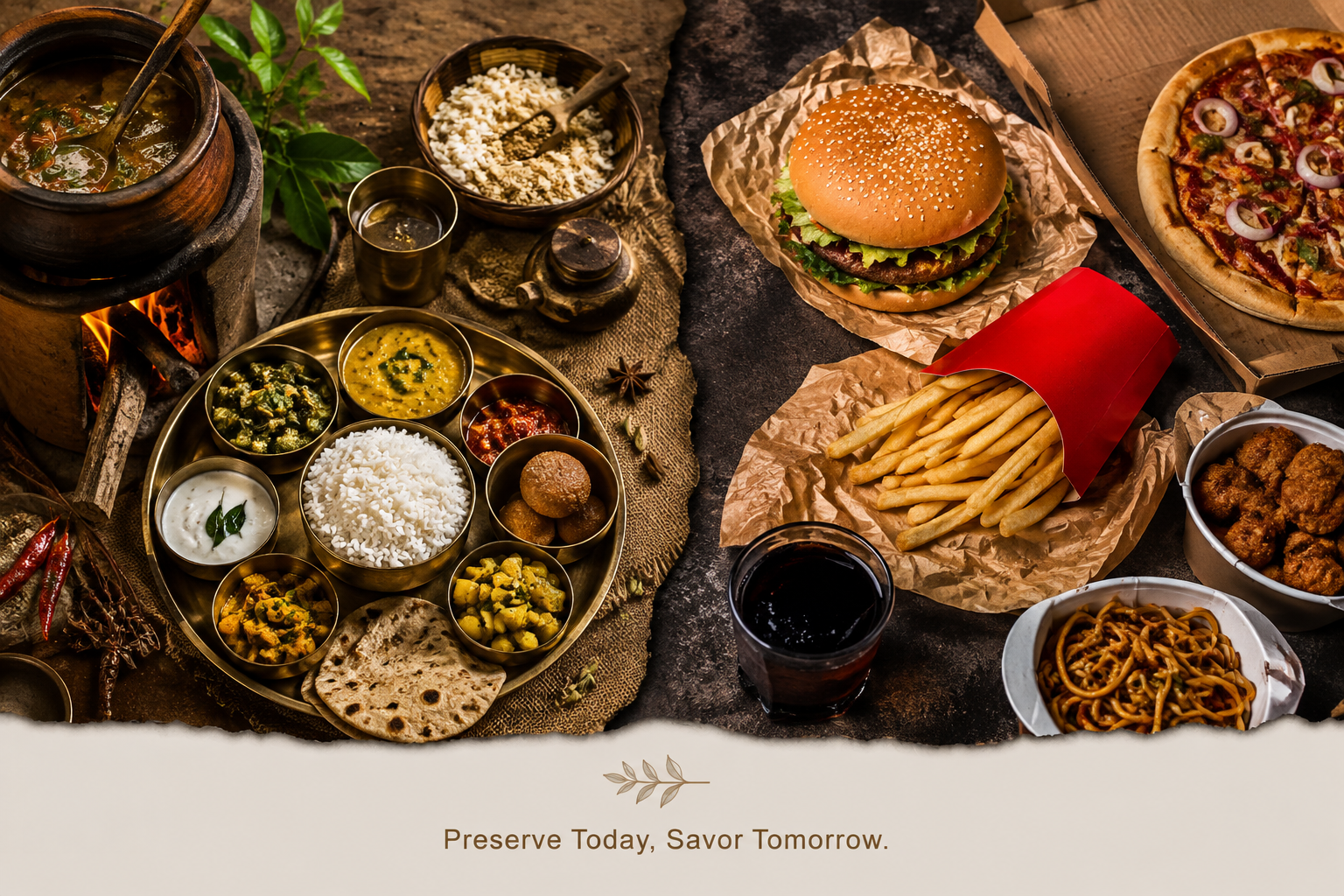
Traditional Indian Foods Disappearing is not always about dishes vanishing from restaurants or becoming completely forgotten. In fact, many traditional recipes never belonged on restaurant menus. Families created these dishes in their kitchens, passed them down through generations, and prepared them with locally available ingredients.
India is known for its incredible food diversity, and for good reason. Every region, community, season, and festival brings its own flavours, ingredients, cooking methods, and treasured recipes. From a grandmother preparing a forgotten breakfast before sunrise to a family making a special dish once a year, Indian food means much more than what we place on a plate. Instead, it carries memories, traditions, local knowledge, and stories that families pass from one generation to the next.
However, lifestyles are changing. Cities are growing, cooking habits are becoming faster, and many younger people are moving away from traditional kitchens. As a result, one important question is becoming harder to ignore: Are traditional Indian foods disappearing?
The answer isn’t as simple as saying traditional food is vanishing. Many popular Indian dishes continue to thrive, restaurants introduce regional cuisines to new audiences, and social media brings forgotten recipes back into the spotlight. However, another story exists beneath this visible food culture. Thousands of lesser-known dishes have no restaurants, packaged versions, cookbooks, or viral videos to keep them alive. They survive quietly in homes and villages, often through the memories of just a few people. When those people stop preparing them, an entire recipe can disappear without leaving a record behind.
A thought worth remembering
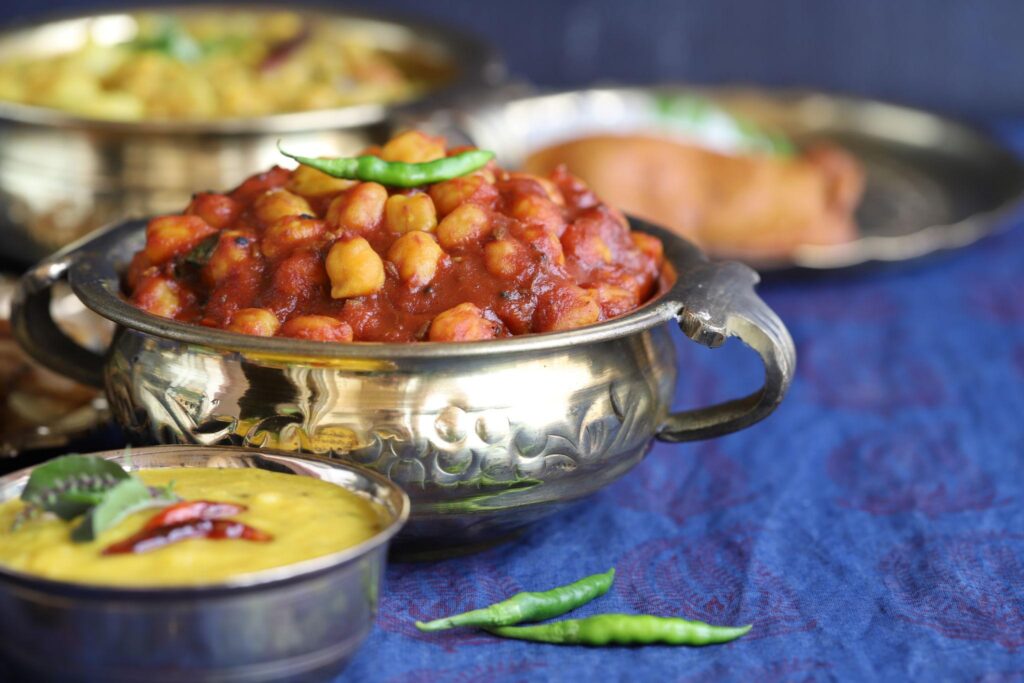
A recipe doesn’t need to be famous to be valuable. Sometimes the most meaningful food is the food that exists only in one family kitchen.
Local Ingredients Are Changing
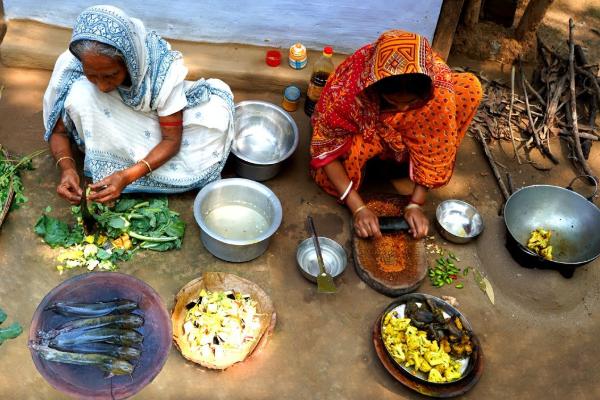
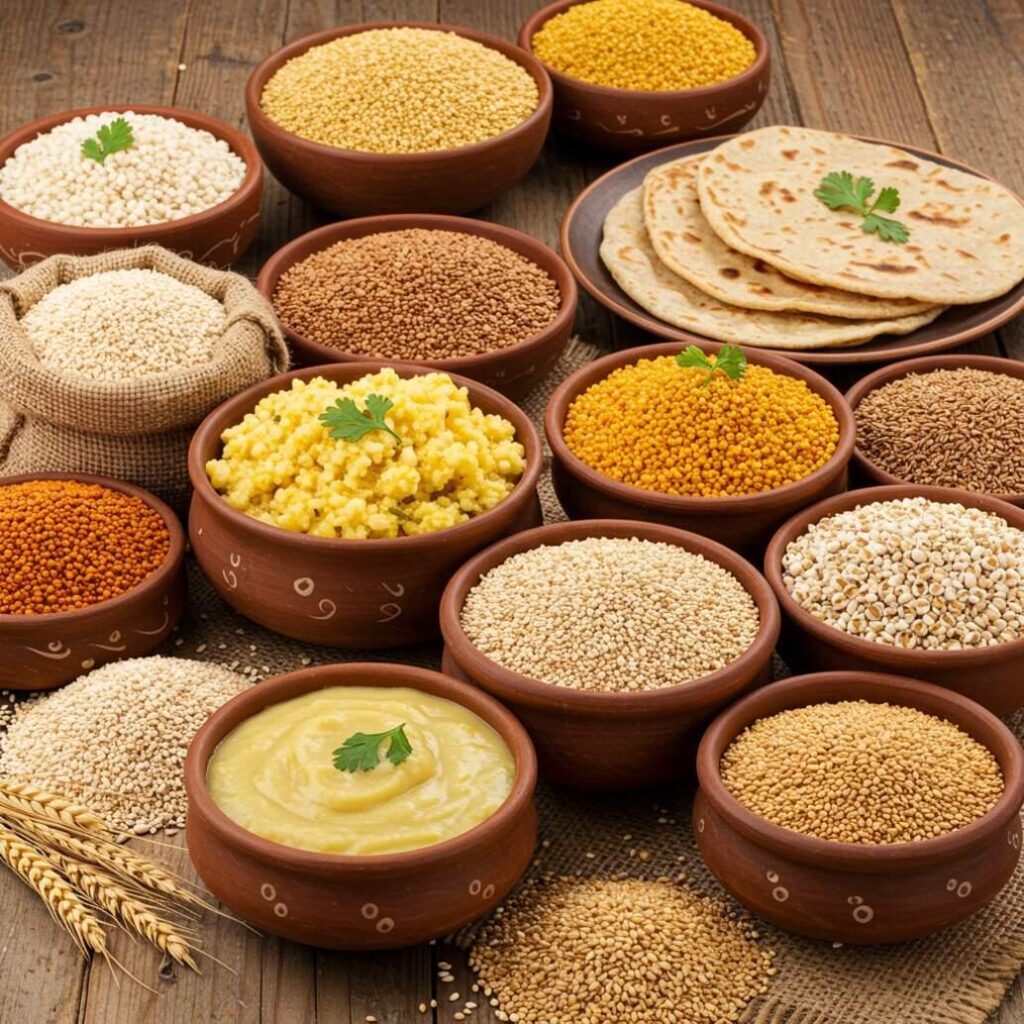
Traditional Indian cooking has always depended on ingredients available in each region. Telangana’s cuisine is a great example, with rice, millets, pulses, and locally used ingredients playing an important role in its food culture. The official Telangana Tourism guide also shares more about Telangana’s gastronomy and traditional foods.
One major reason behind Traditional Indian Foods Disappearing is the changing availability of local ingredients. For generations, families cooked with seasonal vegetables, regional grains, native fruits, pulses, leafy greens, herbs, and spices. However, as these ingredients become harder to find, more expensive, or less commonly cultivated, families may stop preparing dishes that depend on them.
Agriculture and food markets have also changed. Farmers consider market demand, weather, water availability, crop prices, and consumer preferences when choosing what to grow. Many traditional crops and local varieties now face competition from commercially popular alternatives. Consequently, families often choose ingredients that are easier to find and afford.
Seasonality matters too. Traditional Indian cooking followed nature’s rhythm, with families knowing which foods belonged to each season. Today, modern supply chains provide many ingredients throughout the year, offering convenience but weakening our connection with seasonal produce.
Millets and indigenous crops are receiving renewed attention because of growing interest in healthy and sustainable eating. Nevertheless, protecting native varieties remains important. When farmers stop growing lesser-known crops, we can also lose the knowledge of how to grow, prepare, and cook them.
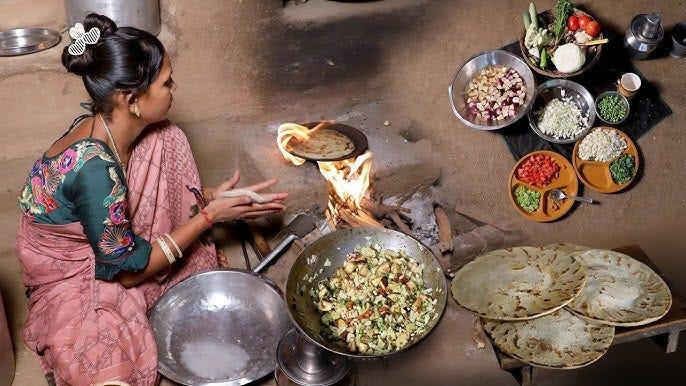
Therefore, preserving traditional Indian food means protecting more than recipes. Supporting local farmers, choosing seasonal produce, learning about native crops, and documenting family recipes can help keep India’s culinary heritage alive. As food habits change, protecting traditional ingredients becomes essential to preserving the recipes and cultural knowledge connected to them.
Traditional Cooking Takes Time
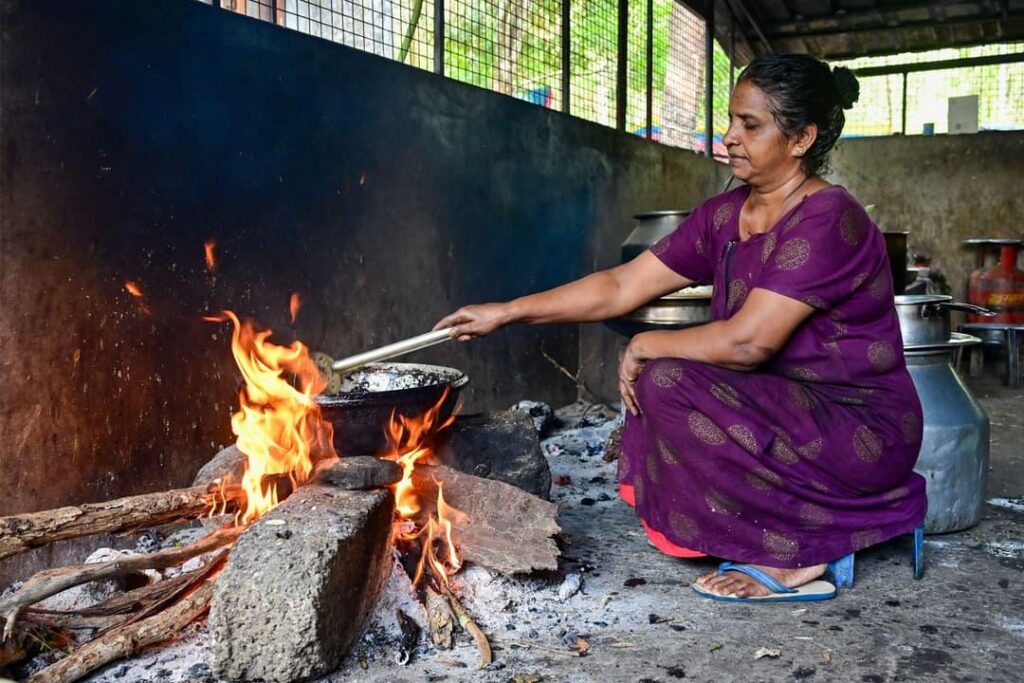
One major challenge facing traditional Indian foods today is the time and effort many recipes require. Earlier, families spent hours washing and soaking grains, grinding spices, fermenting batters, preparing fresh ingredients, and slow-cooking meals. These methods created more than food; they also passed valuable cooking knowledge from one generation to another. However, modern lifestyles have changed. Long working hours, commuting, education, and family responsibilities encourage people to choose quicker meals. Ready-to-cook products, packaged foods, instant mixes, and food delivery provide convenience, but they can also reduce the time families spend preparing traditional dishes.
Some recipes face greater risk because they require hours or even days of preparation. Fermented foods need time to develop flavour, while preserved foods require careful drying and preparation. When families stop making these dishes regularly, younger generations may never learn the techniques. Eventually, a recipe can survive only as a memory. This is why Traditional Foods Disappearing involves more than losing a dish’s taste. We can also lose the techniques, patience, and knowledge behind its preparation. A written recipe may not fully capture the exact texture, aroma, timing, or methods that experienced cooks develop through practice.
Fortunately, traditional cooking can adapt to modern life. Families can prepare old recipes during weekends, festivals, or gatherings while documenting and teaching the methods to younger members. Ultimately, traditional food reminds us that good meals do not always need to be instant. By making time for these recipes, even occasionally, we can preserve India’s culinary heritage without giving up modern convenience.
Our Food Choices Are Changing
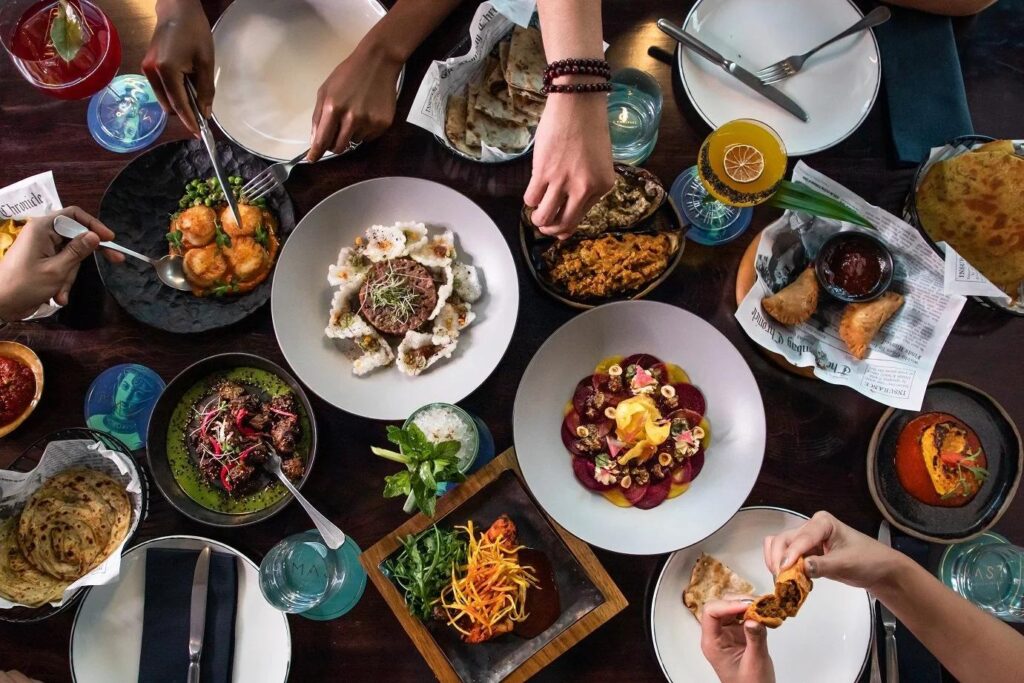
The way we eat has changed considerably over the years. Earlier, many Indian families depended on home-cooked meals made with seasonal vegetables, local grains, pulses, fresh herbs, and regional ingredients. Food choices were influenced by seasons, regions, family traditions, and available crops. Today, busy lifestyles and changing preferences strongly influence daily food choices.
Convenience has become an important part of modern eating habits. Long working hours, busy schedules, restaurants, and food-delivery services encourage people to choose meals requiring less preparation. Packaged foods, instant mixes, ready-to-eat meals, and fast food save time but can reduce how often traditional recipes appear on dining tables.
Social media and global food culture have also introduced people to new cuisines, recipes, and food trends. While exploring different foods is positive, lesser-known regional dishes can sometimes be pushed into the background. A traditional family recipe may gradually be replaced by something more fashionable or easier to prepare.
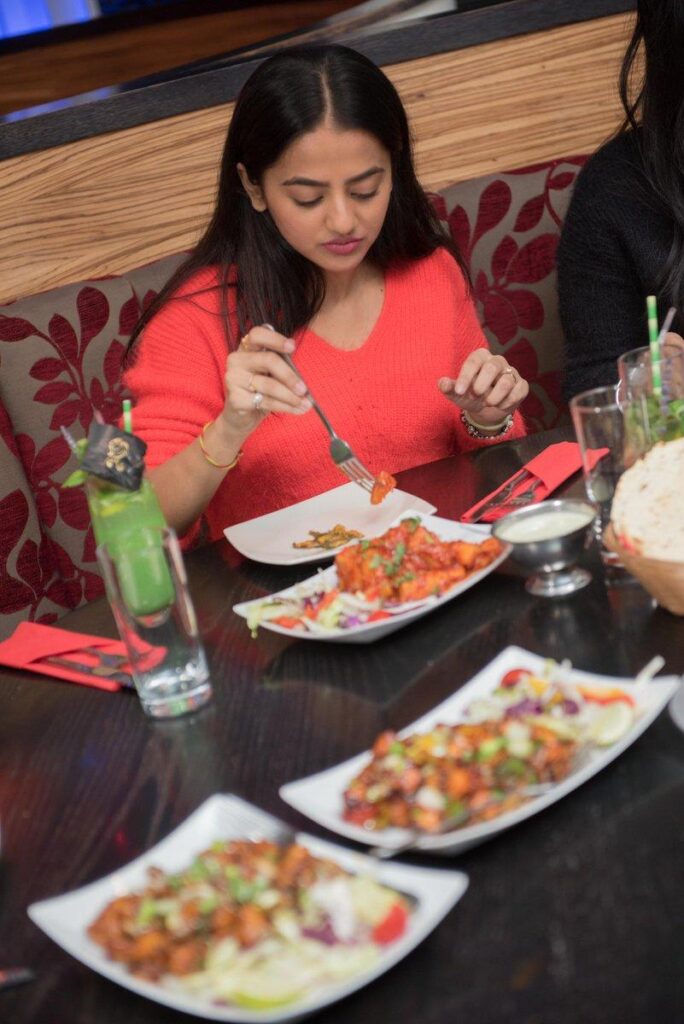
Younger generations are also becoming more independent in their food choices. Moving to cities for education or work exposes them to different cuisines and lifestyles, making them less connected to traditional cooking routines. This can contribute to Traditional Foods Disappearing.
However, the solution is not to reject modern food. We can create a healthy balance between convenience and tradition. Young people can learn family recipes, prepare traditional meals occasionally, and introduce regional dishes to children.
Food culture will continue to evolve, but our choices today can influence which traditions survive tomorrow. We can enjoy modern cuisines while preserving the flavours, recipes, and stories passed down through generations.
The Grandmother’s Recipe Problem
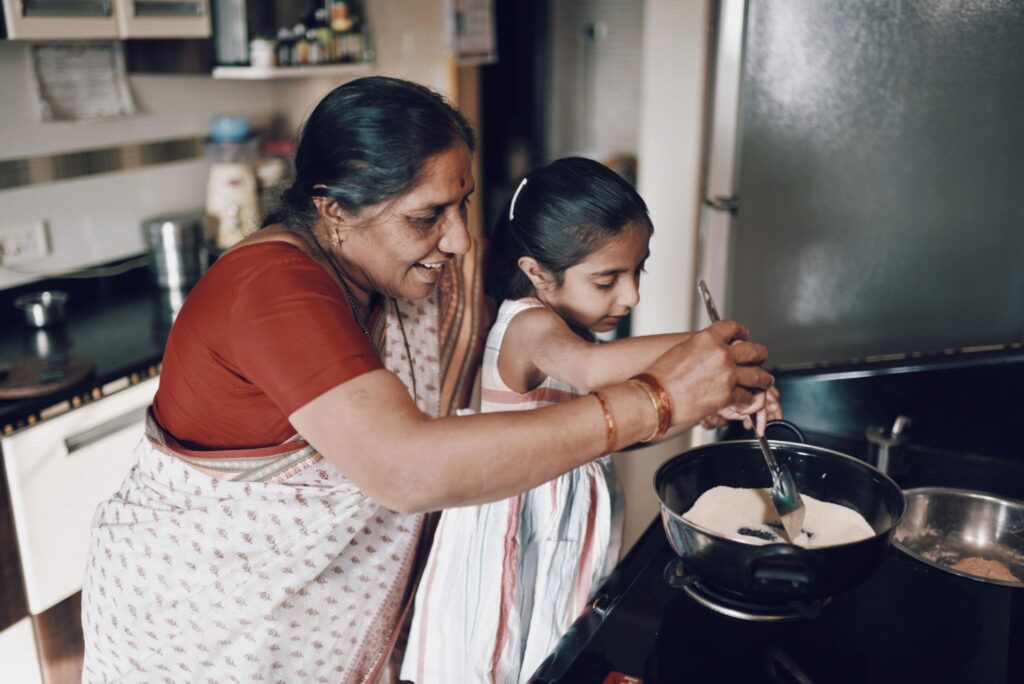
In many Indian families, treasured recipes are not found in cookbooks but preserved in the memories of grandparents and older relatives. They often prepare traditional dishes without exact measurements or written instructions, relying instead on experience—a little of this, a handful of that, and the right cooking time. However, this valuable knowledge can disappear when younger family members do not learn it. Busy schedules, education, jobs, travel, and modern lifestyles leave fewer opportunities for younger generations to sit with elders and learn traditional cooking. Without someone learning a grandmother’s special method, the dish may become difficult to recreate.
Memory-based recipes also differ between families. Ingredients, measurements, cooking techniques, and preferred textures may vary. When these details are not recorded, important elements can be lost when the person who knows the recipe stops cooking.
This is one quiet reason behind Traditional Foods Disappearing. People do not always stop eating a dish because they dislike it. Sometimes, nobody learns how to prepare it. When traditional cooking knowledge is not passed from one generation to another, unique family recipes can slowly fade away.
Families can help prevent this by preserving their culinary heritage in simple ways. Ask grandparents about dishes from their childhood, write down ingredients and cooking methods, record short cooking videos, or prepare recipes together. Even a handwritten recipe can become a valuable piece of family history. The next time an older family member prepares a dish you love, ask how they make it. That simple conversation could preserve more than a recipe—it could keep a piece of your family’s history alive for generations.
Regional Food Is More Than a Recipe
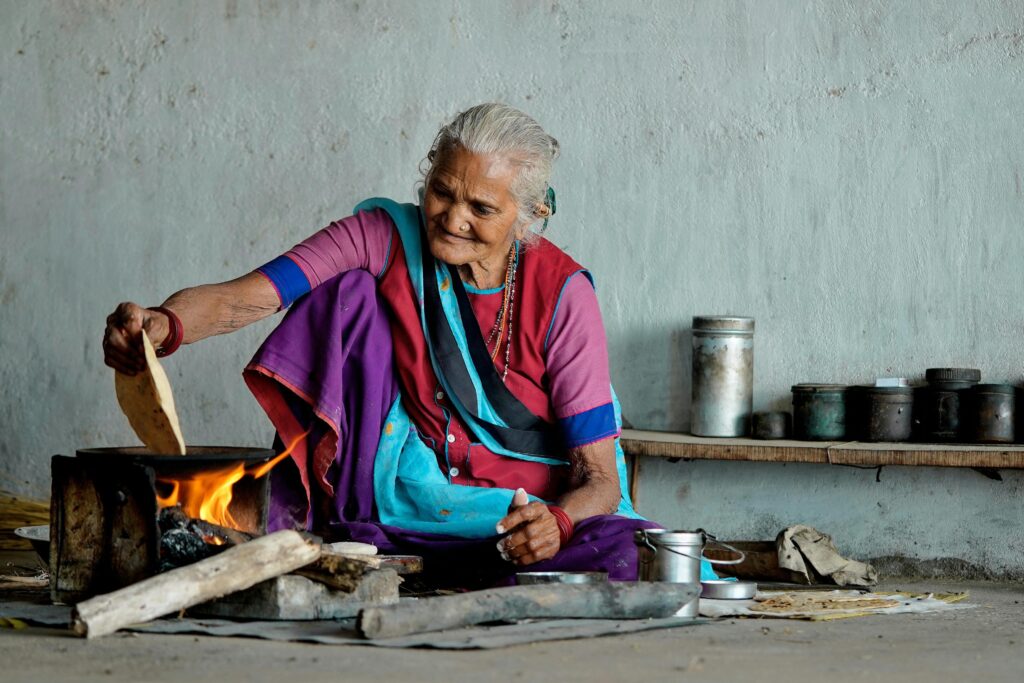
When we talk about regional Indian food, it is easy to think only about ingredients, cooking methods, and flavours. But a traditional dish is often much more than that. It can represent a place, a community, a season, and generations of knowledge. The recipe may tell us what people ate, but the story behind it can tell us how they lived.
Warangal’s Food Heritage Is Part of Its Story
Just as India’s famous dishes tell stories about its diverse culture, the food traditions of Warangal offer another way to experience the region. Travelers visiting the city can discover more than its historic forts and temples—they can also explore the local flavours, ingredients, and food traditions that are part of Telangana’s identity. If you’re planning a visit, you can explore our guide to the best tourist places to visit in Warangal and discover the history and attractions that make the city worth exploring.
From a small village kitchen to a family celebration, food has always been closely connected to everyday life in India. A simple dish made with a local grain or seasonal vegetable may have no famous restaurant name, yet it can hold decades of memories. This is why the loss of regional dishes is not simply the loss of another item from our food culture—it can mean the loss of a small part of our history.
Food Carries the Identity of a Region
India’s incredible culinary diversity comes from its equally diverse geography and communities. The ingredients available in a coastal region can be very different from those found in a dry farming area. Climate, soil, rainfall, agriculture, and local traditions have all influenced the way people prepare food. A recipe often develops around what a community can grow, collect, preserve, or purchase locally. Local ingredients become part of local identity, and over time, families create their own ways of preparing them. For example, a particular grain may be used as a daily staple in one region, while a seasonal leafy vegetable may become the centre of a special dish somewhere else. These foods may appear ordinary to the people who grew up eating them, but they can reveal a great deal about the history and environment of their community.
A Recipe Can Tell the Story of a Community
Traditional recipes often carry knowledge that cannot be understood simply by reading a list of ingredients. Older generations may know when an ingredient should be harvested, how it should be prepared, how long it needs to cook, or which traditional method gives it the right flavour.
That knowledge is part of the recipe too. Many traditional dishes were developed through years of observation and experience. Families learned how to make food nutritious, affordable, filling, and suitable for the local climate. Some recipes were created around seasonal produce, while others helped communities preserve ingredients for periods when fresh food was less available. This makes regional food a fascinating record of how previous generations adapted to their surroundings.
Food and Festivals Are Closely Connected
Food becomes even more meaningful when it is connected to celebrations. Across India, certain dishes are prepared specifically for festivals, weddings, harvest celebrations, family gatherings, and other important occasions. These foods often bring people together in ways that everyday meals cannot. Several family members may participate in preparing ingredients, cooking, serving, and sharing the meal. Children observe the process, older family members explain the traditions, and stories are exchanged around the kitchen. When a festival dish is no longer prepared, something more than its taste can disappear. The gathering, memories, and traditions associated with it may slowly fade as well.
The Problem With Only Preserving Famous Foods
Some Indian dishes have become internationally recognized and are easily found in restaurants and cookbooks. But India’s culinary heritage extends far beyond these popular foods.
There are countless regional preparations that may be known only within a particular district, village, community, or family. Some may never become commercially successful because their ingredients are seasonal or difficult to source. Others may require preparation methods that are too time-consuming for modern kitchens. This is where the issue of Traditional Indian Foods Disappearing becomes important. The foods most at risk may not be the ones we see regularly on restaurant menus. They may be the quiet, everyday recipes that have survived for generations without ever receiving widespread attention.
Regional Ingredients Are Part of the Heritage
A traditional dish cannot exist independently from the ingredients that make it possible. If a native grain, vegetable, fruit, herb, or pulse becomes rare, the recipes associated with it can become difficult to prepare. This is why preserving food heritage also means paying attention to agricultural diversity and local crops. Supporting seasonal produce and learning about traditional ingredients can help maintain a connection between farms, kitchens, and cultural traditions. For readers interested in the wider importance of food and agricultural diversity, the Food and Agriculture Organization of the United Nations (FAO) provides useful information about food systems and agricultural biodiversity. This is a valuable external resource because it offers authoritative information without competing with your blog’s food content.
Why Family Recipes Matter
Some of the most valuable regional recipes are not written in professional cookbooks. They exist in family memories. A grandmother may prepare a dish without measuring anything. She may know the correct quantity simply by experience. Another family member may remember which ingredient people traditionally add during a particular season. These details can be difficult to preserve unless someone takes the time to record them.
This connects directly with our section on The Grandmother’s Recipe Problem. Placing this as an internal link encourages readers to explore why traditional family recipes are particularly vulnerable to being forgotten. A simple conversation with an older family member can therefore become an act of preservation. Inquire about the foods they ate as children. Ask which dishes were prepared during festivals. Ask which ingredients were commonly available in their village or hometown. You may discover recipes that you have never heard of before.
Regional Food Can Evolve Without Disappearing
Preserving traditional food does not mean keeping every recipe exactly the same forever. Food has always evolved. Ingredients change, cooking equipment improves, and families adapt recipes to suit their circumstances. The important thing is to preserve the identity and story behind the food while allowing it to remain relevant to modern life.
A traditional recipe can be prepared using a modern stove. A younger cook can simplify certain steps without forgetting where the dish came from. A food creator can introduce an old regional preparation to a new audience while explaining its cultural background.
Technology Can Help Save Forgotten Foods
Interestingly, the same technology that has changed our eating habits can also help preserve traditional food. Families can record grandparents preparing traditional dishes, photograph ingredients, write down recipes, and document the stories associated with them. Bloggers and food creators can introduce lesser-known regional foods to wider audiences. Local communities can create digital archives of recipes that might otherwise remain only in people’s memories. A recipe that once existed in a single household can now potentially reach thousands of people.
We should document the origins, communities, and traditional preparation methods responsibly. We should acknowledge the dish’s origin, the associated community, and the traditional preparation method, rather than remove them for appeal.
Preserving Food Means Preserving Stories
When a regional dish disappears, we do not simply lose another flavour from the Indian kitchen. We may also lose knowledge about local agriculture, seasonal ingredients, traditional cooking techniques, family customs, and community history. That is why regional food deserves to be treated as cultural heritage. The next time you eat a traditional dish, try to learn where it came from. Ask who first taught your family to prepare it. Find out whether it was connected to a particular festival or season. Learn which ingredients were traditionally used. You may discover that what looks like a simple meal is actually a story that has travelled through generations.
A Future Where Tradition and Modern Food Coexist
India’s food culture will continue to change, and that is natural. New cuisines will arrive, recipes will evolve, and younger generations will develop their own food preferences. The goal should not be to stop this change. Instead, we should make sure that new food traditions do not completely replace the old ones.
Regional food can have a place on modern dining tables while retaining its history. Families can enjoy contemporary meals while occasionally preparing recipes from their grandparents’ kitchens. Restaurants can introduce lesser-known dishes while respecting their origins. And bloggers, writers, and creators can document the stories that give these foods meaning. Because ultimately, regional food is more than a recipe. It is a connection between people and place, between the past and the present, and between one generation and the next. Whenever someone prepares, shares, documents, or teaches a forgotten dish to a younger person, the dish’s story continues. And perhaps that is one of the simplest ways we can make sure that the foods we grew up with—and the foods our grandparents grew up with—do not become memories that only a few people remember.
But Is Traditional Food Really Disappearing?
After everything we have explored, one important question remains: Are traditional Indian foods actually disappearing, or are they simply changing with time? The answer isn’t a simple yes or no.
Indian cuisine has always evolved. New ingredients, cooking techniques, cultural influences, migration, trade, and changing lifestyles have shaped what people eat for generations. In fact, this constant adaptation has created the incredible diversity we see in Indian food today. So, Indian food isn’t suddenly going to disappear. Instead, we should pay attention to the gradual loss of lesser-known regional dishes and the knowledge behind them.
Traditional Indian Food Is Still Alive
Walk through a local market, visit a village kitchen, attend a family celebration, or simply talk to an older home cook, and you’ll quickly see that traditional food remains alive. Families still prepare regional curries, millet dishes, fermented foods, pickles, sweets, seasonal recipes, and festival specialties. Many households continue to pass these traditions from one generation to the next. Moreover, India’s regional cuisines remain incredibly diverse because geography, climate, agriculture, culture, and local ingredients influence what people cook.
However, traditional food has become less visible in some parts of modern life. Busy schedules, changing food preferences, urban lifestyles, and easy access to packaged foods can push older recipes aside. This doesn’t mean these foods have disappeared. Instead, some have simply moved away from everyday kitchens. For example, a family may prepare a traditional dish only during a festival instead of making it every week.
Traditional food is still here. The challenge is making sure future generations continue to know where it came from.
What Traditional Indian Foods Are at Risk?
The foods most likely to disappear aren’t always the famous ones. Instead, they are often the dishes we rarely hear about. A popular dish has restaurants, cookbooks, packaged versions, videos, and social media posts supporting it. In contrast, a little-known village preparation may depend entirely on one elderly family member who remembers the recipe. That creates a quiet form of cultural loss.
When families stop preparing a recipe, younger generations may never learn it. Moreover, when ingredients become difficult to find, people may find it even harder to recreate the dish. Eventually, the recipe may survive only as a memory of something a grandmother or great-grandmother once prepared.
The same problem affects regional diversity. People around the world recognize a small group of famous Indian dishes, but India’s culinary identity extends far beyond them. Every region has foods that remain popular locally but stay almost unknown elsewhere. Therefore, a dish doesn’t have to disappear completely to become vulnerable. Sometimes, it simply becomes less common, less visible, and less frequently passed down. An official FAO concept note on India’s culinary heritage has also highlighted concerns such as changing eating habits, limited awareness, and the lack of standardized recipes.
The real risk isn’t losing all Indian food. It’s losing the quiet food traditions that few people remember.
Change Doesn’t Have to Mean Losing Our Food Heritage
We shouldn’t treat every change in Indian food culture as something negative. Indian cuisine has always adapted to new influences. Ingredients introduced through trade and cultural exchange eventually became familiar parts of regional cooking. As a result, today’s Indian kitchen represents centuries of change rather than a fixed tradition.
The real challenge lies in finding the right balance. We can enjoy modern meals while still preparing traditional dishes during festivals. A young cook can experiment with an old recipe while learning its original story. Similarly, restaurants can introduce regional foods to new audiences while respecting their cultural background.
Moreover, we can use technology to protect culinary traditions. Families can write down recipes, photograph dishes, record cooking methods, and preserve the stories connected to them. This matters especially for recipes that don’t use exact measurements. An experienced cook may simply know when to add an ingredient by judging its aroma, colour, texture, or consistency. Recording these details can preserve knowledge that measurements alone cannot capture. Fortunately, younger generations can also help revive forgotten foods. Food creators, local restaurants, cultural events, travel, and social media are introducing people to regional cuisines and traditional ingredients.
Preservation doesn’t mean refusing to change. It means making sure change doesn’t erase everything that came before it.
Keeping Traditional Indian Foods Alive
So, are traditional Indian foods disappearing? Perhaps a better question is: Which traditional foods are at risk of being forgotten, and what can we do to preserve them? Some foods continue to thrive. Others adapt to modern lifestyles. Some become less common, while others may already have disappeared from everyday kitchens. The story differs from one region and community to another. However, India’s culinary heritage remains too diverse to represent through only its most popular dishes.
Forgotten recipes, seasonal foods, native ingredients, family preparations, and regional cooking methods matter just as much. That’s why Traditional Indian Foods Disappearing deserves our attention—not because Indian cuisine is about to vanish, but because some of its quieter stories could disappear without anyone noticing. Fortunately, keeping these stories alive doesn’t require everyone to return to the kitchens of the past. Ask your grandparents what they used to eat. Learn a regional recipe. Buy a local ingredient. Prepare a seasonal dish. Write down a family recipe. Most importantly, share the story behind a forgotten food.
These simple actions can keep culinary traditions connected to the present. Food will continue to change with every generation. But when we remember where it came from, change doesn’t have to mean forgetting. Perhaps the future of Indian food isn’t about choosing between the old and the new. Instead, it’s about allowing both to exist together—so modern kitchens can create new flavours while still making room for the recipes, memories, and stories that came before us.
What Will Indian Food Look Like 20 Years From Now?
Imagine sitting down for a meal in India twenty years from now. The food on your plate may look familiar, but the way people grow, prepare, serve, and understand it could change significantly. Some traditional dishes may become popular again, while others may survive only through family archives and digital recipes. New ingredients and cooking techniques may also exist alongside ancient grains, regional vegetables, and recipes passed down through generations. The future of Indian food probably won’t completely replace the old with the new. Instead, it may combine tradition, technology, convenience, sustainability, and changing lifestyles.
Interestingly, some foods we worry about losing today could become popular again. Millets provide a good example. Once considered ordinary staples in many communities, they have gained renewed attention because of their nutritional qualities, resilience, and ability to grow in challenging conditions. As a result, forgotten ingredients could return in modern forms, including millet-based breakfasts, breads, ready-to-cook mixes, snacks, desserts, and contemporary regional dishes.
Tomorrow’s “new food trend” could actually be yesterday’s forgotten food.
Technology and Traditional Indian Foods Disappearing
Technology may transform the Indian kitchen without completely replacing traditional cooking. Smart appliances, automated cooking systems, digital recipe libraries, and personalized food applications could help busy families prepare traditional dishes more easily. For example, a young person could recreate a dish their grandmother once prepared by watching a recording, accessing a family recipe stored digitally, and following each step with a smart kitchen assistant.
Moreover, technology could help preserve culinary heritage. Digital documentation already creates opportunities to record indigenous recipes and their cultural contexts. One research project, for example, documented 1,000 indigenous recipes from remote Indian communities, showing how digital tools can preserve valuable food knowledge. However, convenience will still influence people’s choices. People will continue to work, travel, study, raise families, and look for quick meals. Therefore, traditional recipes may adapt to modern schedules. A dish that once required several hours could become a ready-to-cook version, while traditional grains could become convenient breakfast foods.
If convenience supports tradition instead of replacing it, traditional food could have a stronger future.
Sustainability Could Bring Traditional Foods Back
The future of Indian food will also depend heavily on agriculture. Environmental pressures, changing weather patterns, water availability, and resource concerns could increase interest in crops that suit local conditions. For instance, millets can grow in difficult conditions and require relatively fewer resources. Consequently, consumers may show greater interest in regional grains, native crop varieties, seasonal vegetables, and locally produced ingredients. Instead of asking only, “What do we want to eat?”, future consumers may increasingly ask, “Where did this food come from, how was it produced, and what impact did it have?”
This shift could give traditional agricultural knowledge renewed importance. Moreover, regional Indian foods could reach audiences far beyond their original communities. Social media, travel content, online cooking classes, and international food businesses can introduce lesser-known dishes to people around the world. A recipe from a village kitchen could appear on a restaurant menu overseas, while a local grain could become part of an international food product. However, popularity should not come at the cost of identity. As regional foods reach wider audiences, their history, community connections, and original context should remain part of the story.
AI, Personalization and the Revival of Forgotten Foods
Artificial intelligence could also influence the future of Indian cuisine. People may use AI-powered applications to discover recipes based on available ingredients, understand regional variations, translate recipes between Indian languages, or recreate forgotten dishes from family recipes. For example, someone could enter the name of a forgotten vegetable into an application and discover its history, traditional uses, regional recipes, seasonal availability, and preparation methods. As a result, technology could make India’s enormous culinary diversity easier for younger generations to explore. However, technology should assist traditional knowledge rather than replace the people who carry it. The human stories behind food will always offer something that a generated recipe cannot provide.
At the same time, traditional ingredients could become part of personalized meal plans. Regional grains, pulses, vegetables, fermented foods, spices, and traditional cooking methods may find new roles in modern diets. Interestingly, forgotten foods could also become premium products. Rare native grains, seasonal ingredients, and traditional preparations may gain commercial value as consumers seek authenticity and local sourcing. However, communities that preserved these foods should also benefit from their revival. Otherwise, traditional foods could become fashionable while their original custodians receive little recognition.
Will Traditional Indian Foods Disappear Completely?
Probably not. Indian food has survived enormous changes because people have continuously adapted it. Recipes, ingredients, cooking methods, and flavours have evolved through cultural exchange. The real question is not whether Indian food will remain exactly the same it won’t. Instead, we should ask which parts of today’s food culture will survive into the future.
Some popular foods will continue to thrive, while forgotten dishes may return. Others may disappear if nobody documents, prepares, or teaches them. In the future, a young Indian may discover a traditional recipe through a digital archive instead of a grandmother’s kitchen. They may prepare it using modern appliances and share it online with thousands of people. The method, kitchen, and presentation may change, but the story behind the dish can remain. Tradition does not need to compete with technology; technology can help tradition travel further. If families document recipes, farmers continue growing diverse crops, young people learn about regional foods, and creators share traditional food stories, India’s culinary heritage can evolve without losing its roots. Indian food may look very different twenty years from now, but some flavours can still remind us where we came from. The future should bring tradition and progress together.
Final Thoughts
Indian food has never stood still. It has changed with seasons, migration, trade, agriculture, and generations. Therefore, change itself isn’t the enemy. Forgetting is the real danger. A recipe written on paper can survive. A recipe recorded in a video can travel. A recipe taught to a child can continue for another generation. Sometimes, keeping a food tradition alive can be as simple as asking your grandmother:
“How did you make this?” Then actually listening.
